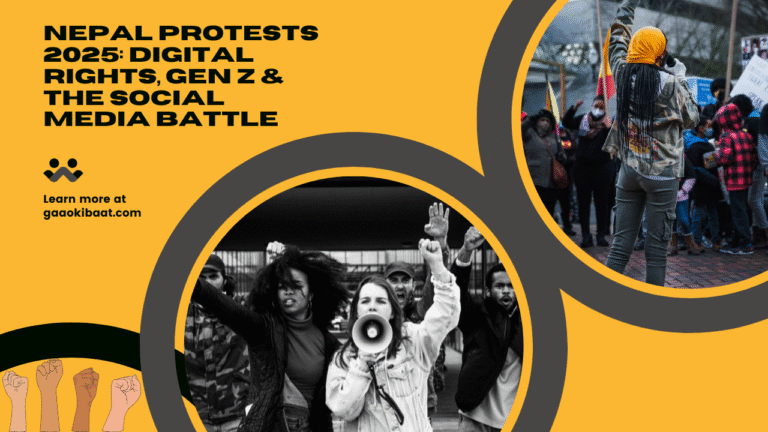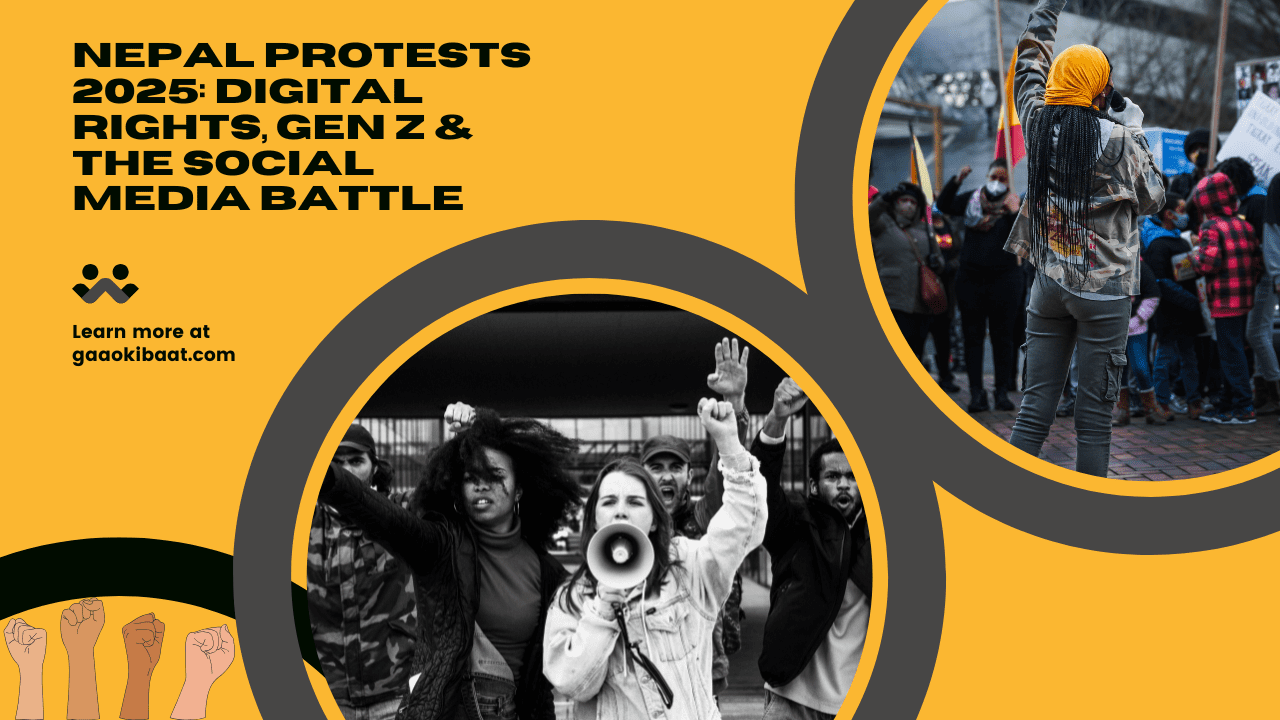
In recent days, the term Nepal has soared in Google search rankings driven by a dramatic crackdown on social media and explosive Gen Z protests demanding free speech and transparency. This blog dives deep into what’s unfolding in Nepal today, discussing the controversial Nepal social media ban, the dramatic young-led uprising, and what it signals for digital rights and democratic integrity in our neighborhoods and beyond.
What Sparked the Uproar?
The Social Media Blackout
- On September 4, 2025, the Nepali government ordered a ban on 26 social platforms including Facebook, Instagram, WhatsApp, YouTube, X, Reddit, and more claiming they failed to comply with mandatory local registration rules.
- The move was defended as an issue of national sovereignty and regulation. Critics, however, saw it as suppressive and free speech limiting.
Gen Z Responds: From Tweets to Tears
- For millions of young Nepali citizens, social media isn’t optional; it’s their voice, their classroom, and often their income source. The ban sparked immediate outrage.
- Students wearing school uniforms stormed the streets including Parliament grounds chanting slogans like “Stop the ban on social media, stop corruption, not social media.”
The Protests Unfold
Growing in Intensity
- Protests escalated to violent confrontations: tear gas, water cannons, rubber bullets, and even live rounds were deployed by security forces. Houses were vandalized and protesters breached the Parliament zone.
Tragic Cost
- At least 19 protesters lost their lives, and hundreds were injured. The unrest triggered curfews, army deployment, and public mourning across the country.
Beyond the Ban: Corruption and Privilege
- The movement evolved into a powerful expression against corruption and political elitism. Morning coffee discussions and viral TikToks contrasted lives of “nepo-kids” against disadvantaged youth, fueling mass solidarity with the protesters.
Government Response & Fallout
- The social media ban was promptly lifted following the protests, and Home Minister Ramesh Lekhak resigned on moral grounds. Investigations and relief for affected families are underway.
- Observers warn that this unrest could be a defining moment for youth empowerment and a determinant of future democratic discourse in Nepal and for Indian neighbours too, reflecting common regional concerns about digital rights and governance.
Why It Matters Especially for Indian Audiences
- Digital Rights & Youth Voice: The struggle in Nepal is a reminder that social media is central to Gen Z’s identity, activism, and economic opportunity something Indian students, influencers, and digital entrepreneurs will resonate with deeply.
- Cross-Border Democracy: As neighbours with shared values and challenges, India’s democracy-watchers and policy-makers can draw lessons from Nepal’s crisis.
- Media & Communication Trends: With platforms like TikTok still operational, while giants like Facebook were blocked, the situation underscores how regulation-driven tech shifts can upend economies and everyday life.
Conclusion of Nepal Protest
Conclusion:
Nepal’s latest unrest represents more than a clash over blocked apps it reflects generational frustration with corruption, inequality, and limited democratic space. As Gen Z led what has been called the country’s most intense protest in years, signals have been sent across the region: digital suppression won’t be silently accepted.
What do you think this movement means for digital platforms, free speech, and youth expression in South Asia?
- Comment below with your thoughts or comparisons to India’s digital activism.
- Share this article, sparking discussions about what social media bans can cost democratic engagement and youth potential.
About the Author